The process
What actually happens, week by week.
Most renovation stress is not caused by bad news. It is caused by not knowing. Here is the sequence every Haven & Co project follows, and what lands in your inbox at each stage.
Phase 01
Discovery
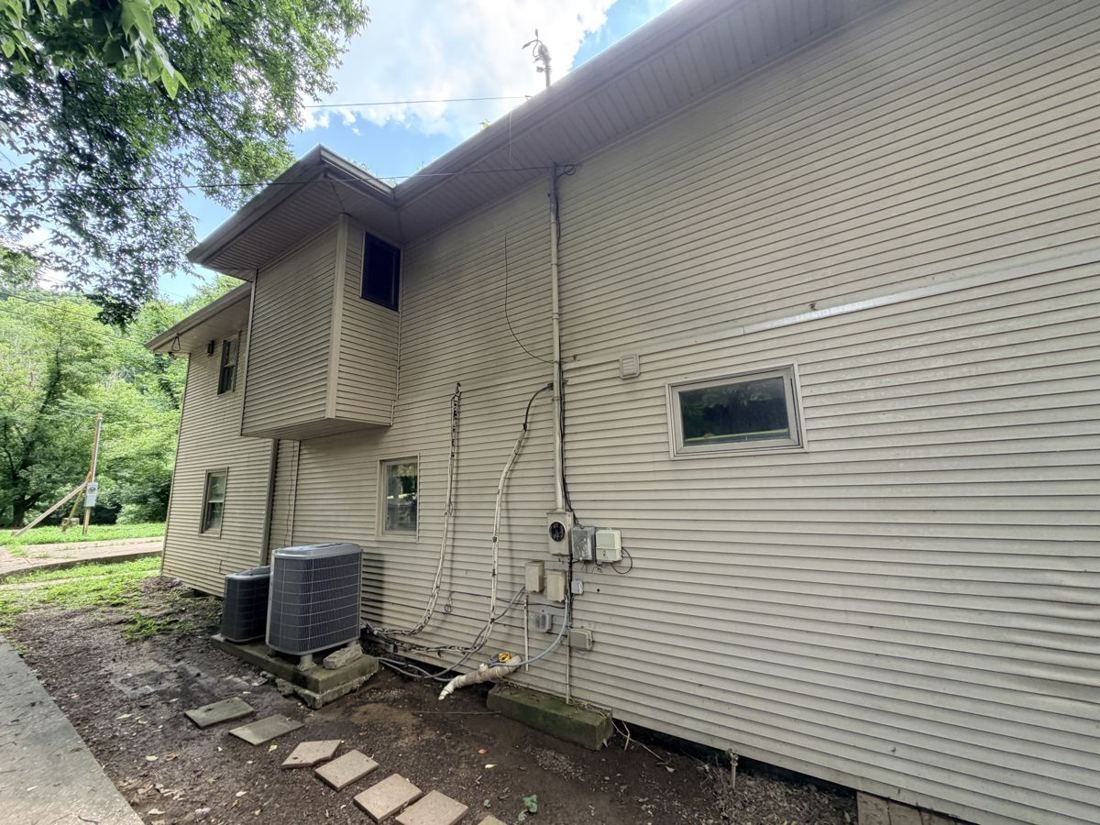
We start with a conversation about the property and what you are trying to accomplish with it — resale, rental income, or a place you intend to keep. Those three lead to genuinely different renovations, and most budget overruns start with never having picked one.
Then I gather the real information: a walkthrough in person or by video, photographs, listing and public records data, any plans or inspection reports you have, and comparable project costs in that market. From that I build a pre-hire budget — a line-item estimate by zone, adjusted for the local labor market, with contingency stated openly rather than buried.
If the numbers do not work, this is where you find out. That is the cheapest possible moment.
You receive: a written scope of work, a line-item pre-hire budget by zone with the contingency shown, and — for investment deals — a maximum-purchase-price check against your target return.
Phase 02
Plan & vet
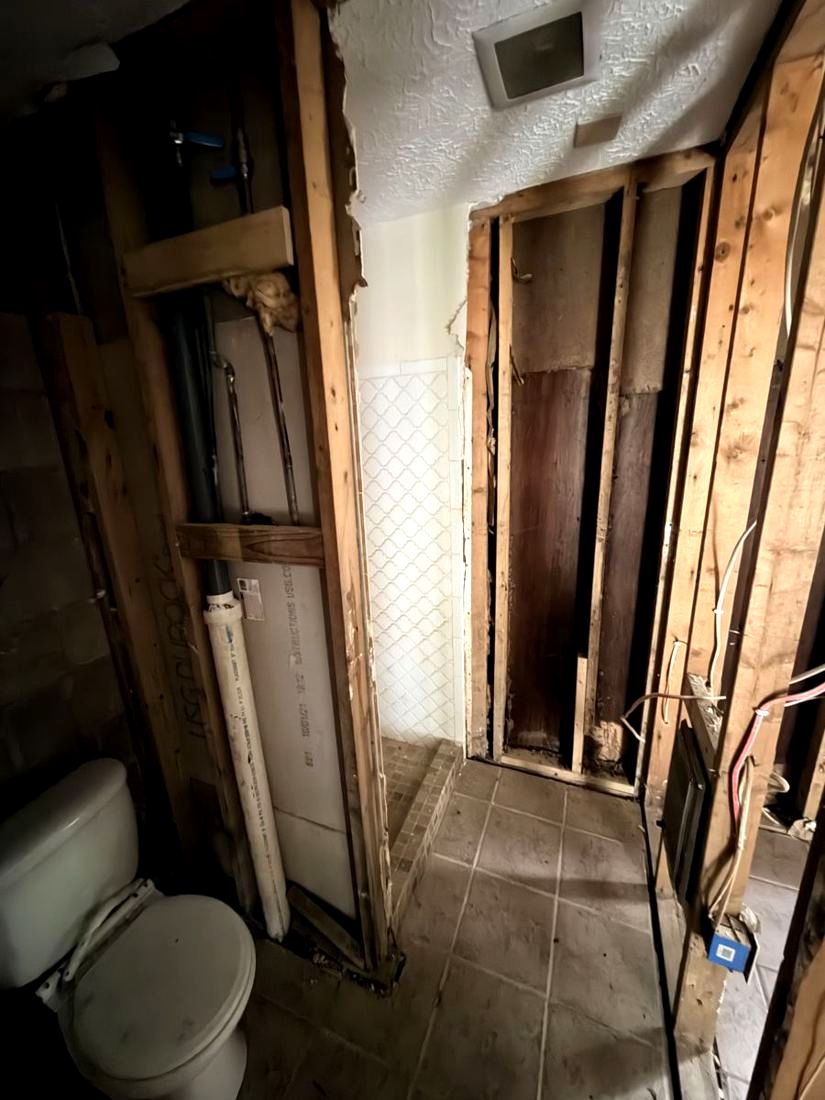
The scope gets written down in plain language — not builder shorthand — so that every trade bids the same job. This single step eliminates most of the “that wasn’t in my number” arguments that surface in month two.
I solicit bids from trades in your market, verify licence and insurance status directly rather than taking a certificate at face value, and call references about work that resembles yours. Then I put the bids side by side and show you where they differ and why — because the cheapest number is often the one that excluded the most.
You contract with and pay the trades directly. I recommend; you decide.
You receive: a bid comparison matrix on a single scope, verified credentials for every trade, a recommended team with written reasoning, and a project schedule with long-lead items flagged.
Phase 03
Coordinate
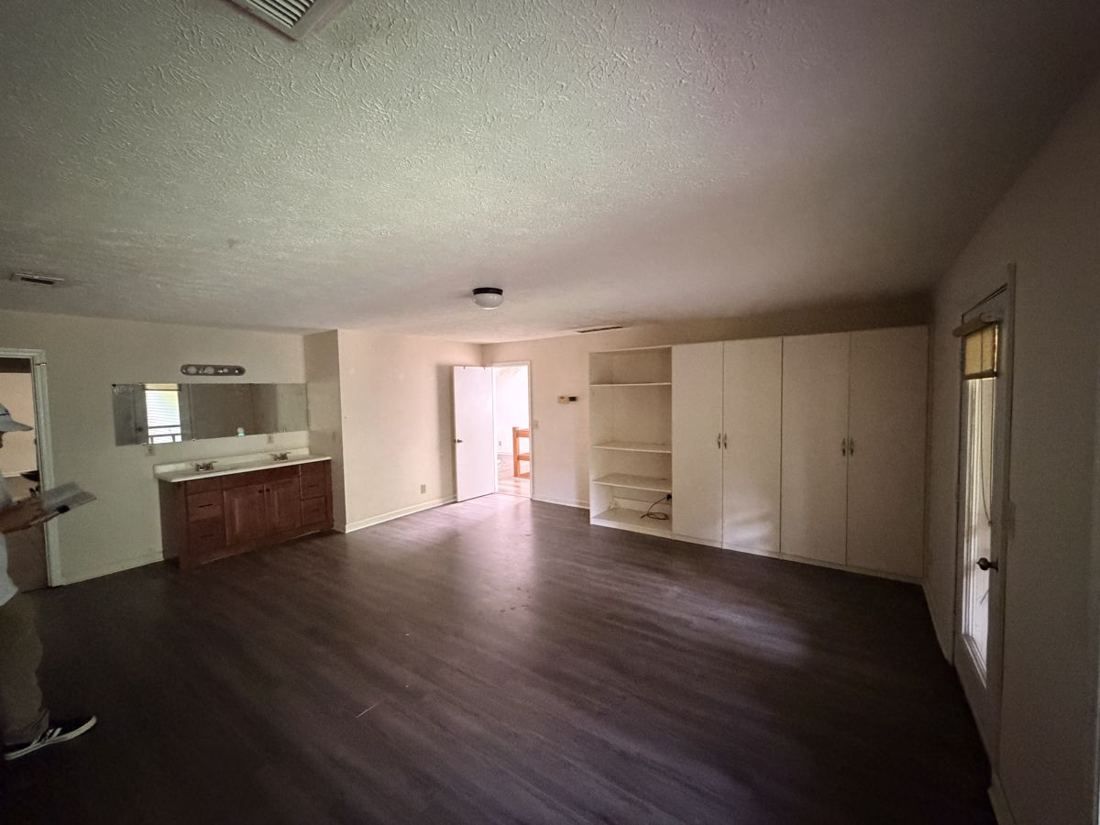
Construction starts and I become the single point of contact. Permits, inspections, trade sequencing, the designer, the lender’s draw schedule, and the procurement calendar all run through one person — which means when something slips, one person notices.
Long-lead procurement is where most schedules quietly die. Cabinets commonly run four to six weeks out, windows four to five. Those get ordered against the drywall and paint schedule, not after it, and your selection deadlines get set backwards from the delivery date.
You get one written update a week. Not a phone call at 6:40 a.m., and not silence for eleven days followed by a problem. If the project is a short-term rental, the opening date is treated as a fixed point and everything else is sequenced backwards from it — because every week late is nightly revenue that does not come back.
You receive: a weekly written update — progress, budget position, schedule status, and a short, clearly grouped list of decisions that need you, with the time-critical one flagged first.
Phase 04
Oversee & protect
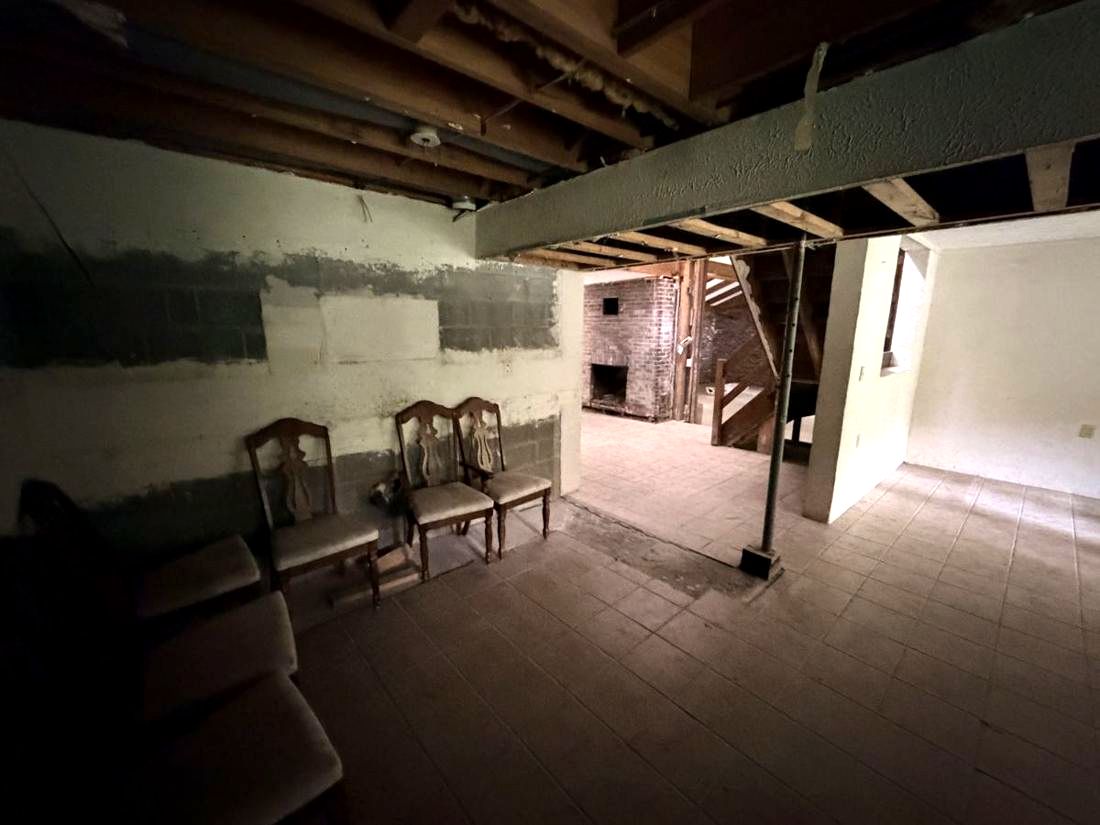
Site visits happen at milestone gates — the moments where something is about to be covered up and become expensive to fix. Rough-in before insulation. Insulation before drywall. Drywall before paint and cabinets. Each gate is photo-documented, so you can see the work whether or not you are within a thousand miles of it.
On the money side: every invoice is checked against the contract and against the work genuinely in place, and every change order is examined for what it really is. Some are legitimate — you cannot see inside a wall until you open it. Some are scope creep. Some are padding. They get treated differently.
We agree a dollar threshold at the start, above which nothing proceeds without your written approval. Below it, I make the call and tell you what I did.
You receive: photo-documented milestone gates, invoice and change-order review before payment, a running budget-versus-plan position, and early warning on anything drifting.
Phase 05
Close it out
Closeout is where a lot of projects go soft. The house is ninety-five percent done, everyone is tired, the contractor has started the next job, and the last five percent takes four months.
So the punch list gets written at the final walkthrough, run to actual completion, and retainage is released when the work is finished — not when someone says it is. Warranties, manuals, as-built information, permits and inspection sign-offs get collected into one package and handed to you.
If the property is a short-term rental, we do not stop at construction complete. It gets set up to perform — because a beautifully renovated STR that was never positioned properly is just an expensive house.
You receive: a completed punch list, a warranty and documentation package, final lien-waiver and closeout paperwork, and — for STRs — a launch-ready property.
Timing
The earlier the better — and earlier than you think.
The single most valuable moment to bring in an owner’s representative is before you close. A pre-purchase scope and budget review costs a fraction of the fee on a full engagement and can tell you the deal does not work while you can still walk away.
Several Haven clients now bring me in ahead of inspection for exactly that reason. The second-best moment is before you sign a construction contract, while the scope and the bids can still change. After that, I can still help — taking over a project mid-flight is common — but the leverage is lower and some decisions are already spent.
Start here
Tell me about the property.
Twenty minutes on the phone and you will know whether the numbers work, what the real scope looks like, and whether an owner’s rep is worth it on this particular project. If it isn’t, I will tell you that.